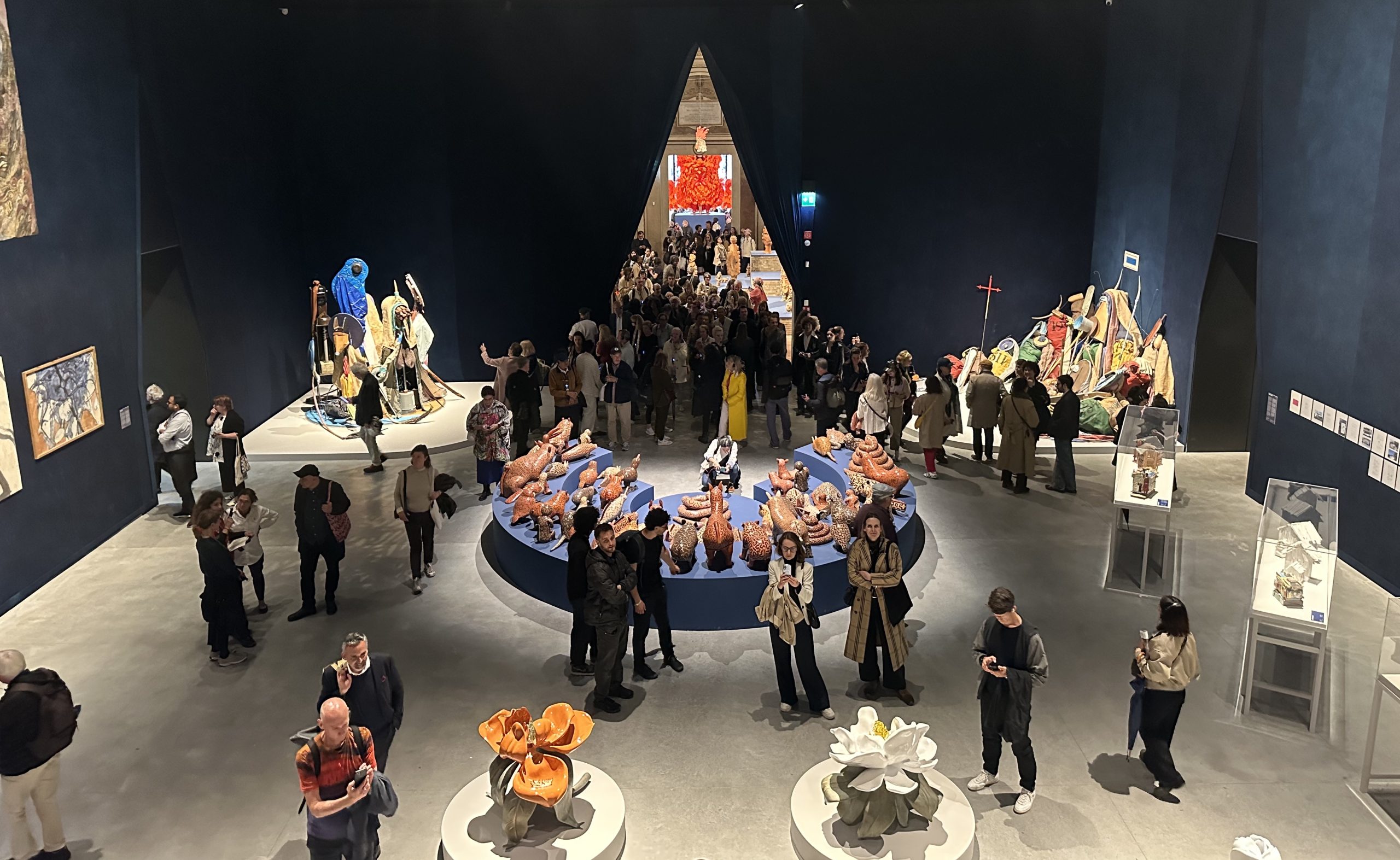
The 61st Venice Biennale & Collateral Events Highlights
During the opening week of the 61st International Art Exhibition of the Venice Biennale, our team navigated Venice’s labyrinthine network of pathways, palazzos and squares, covering more than 100,000 steps, to visit the main exhibition, national pavilions, and an extensive programme of collateral exhibitions, events, and special projects across the city. Across both the international exhibition and the national pavilions, artists responded in diverse ways to curator Koyo Kouoh’s theme, In Minor Keys, which saw a focus on smaller, and careful undercurrents that impact our daily lives. The following selection highlights some of the most compelling presentations and cultural moments from this year’s Biennale and its wider programme.
Giovanni Ozzola. Albedo – You See Me in the Twilight
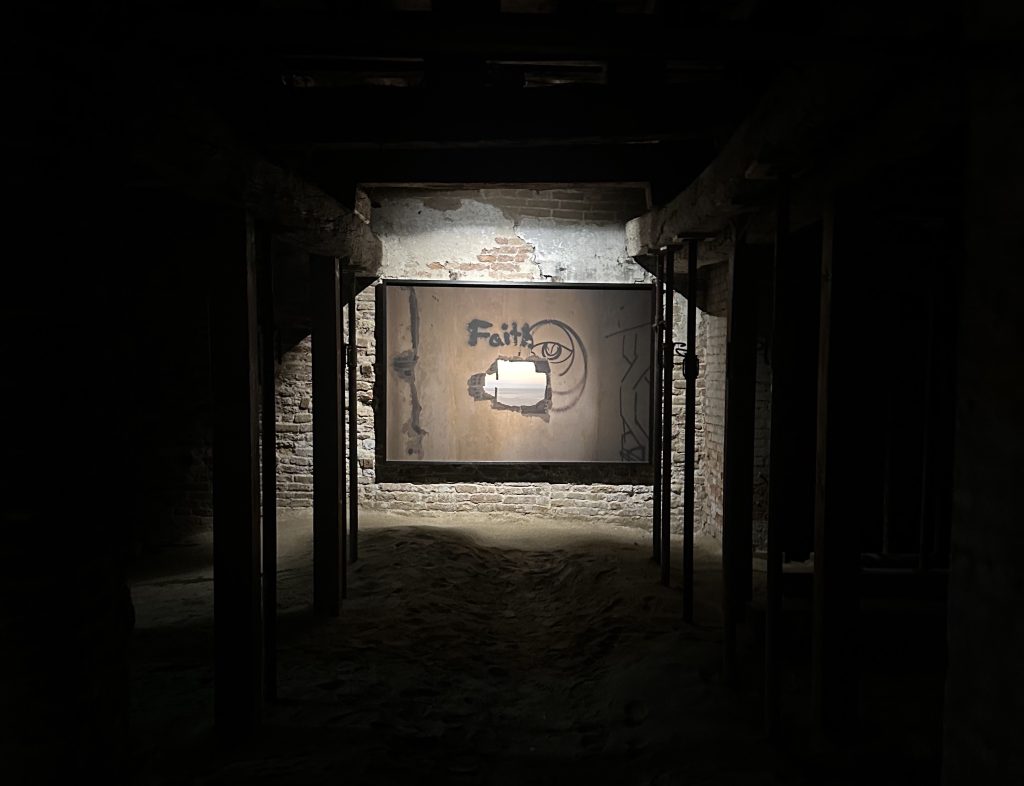
Curated by Giorgio Galotti and Shen Qilan, Albedo – You See Me in the Twilight unfolds across two opposing spaces of Beatrice Burati Anderson, a research-driven gallery established in 2017 in the heart of San Polo.
Set within two 14th-century former warehouses near Campo San Polo, the exhibition brings together a new video work, Matteo (2026), and previously unseen photographs by Giovanni Ozzola, each responding to Venice’s architecture and atmosphere. A boat crossing between the two sites forms an integral part of the project, establishing a shifting threshold between physical and perceptual space.
Calle della Madonna 1976 & Corte Petriana 1448, Venice | On view until 22 November
Fondazione Ligabue. Palazzo delle Arti e delle Culture
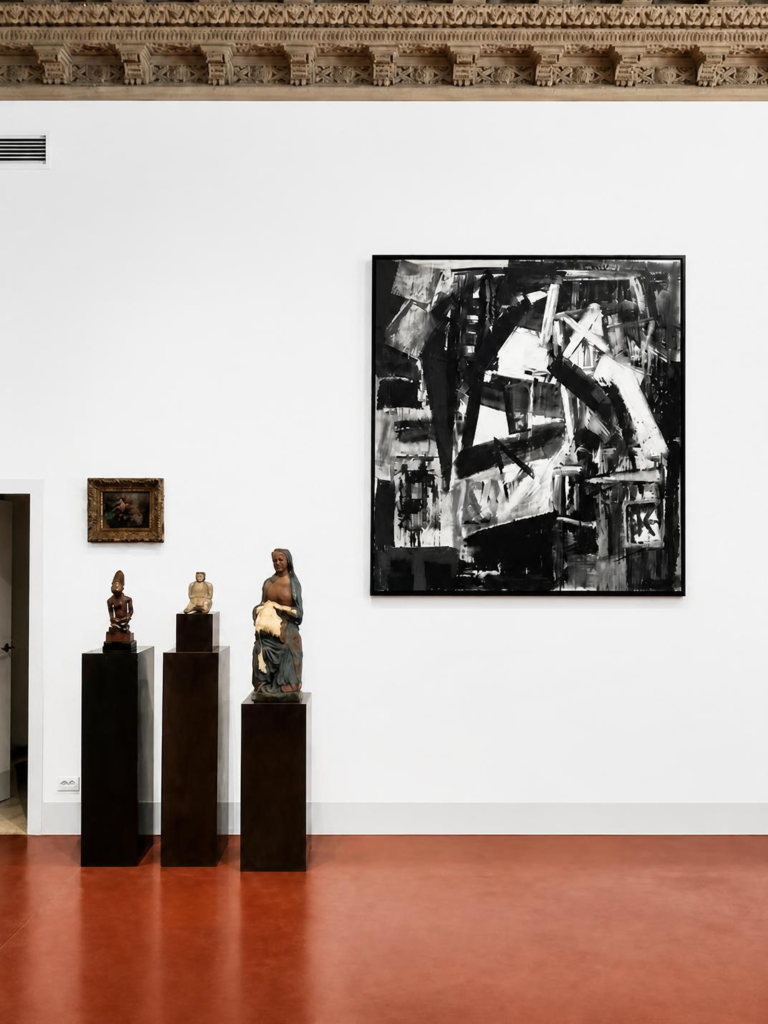
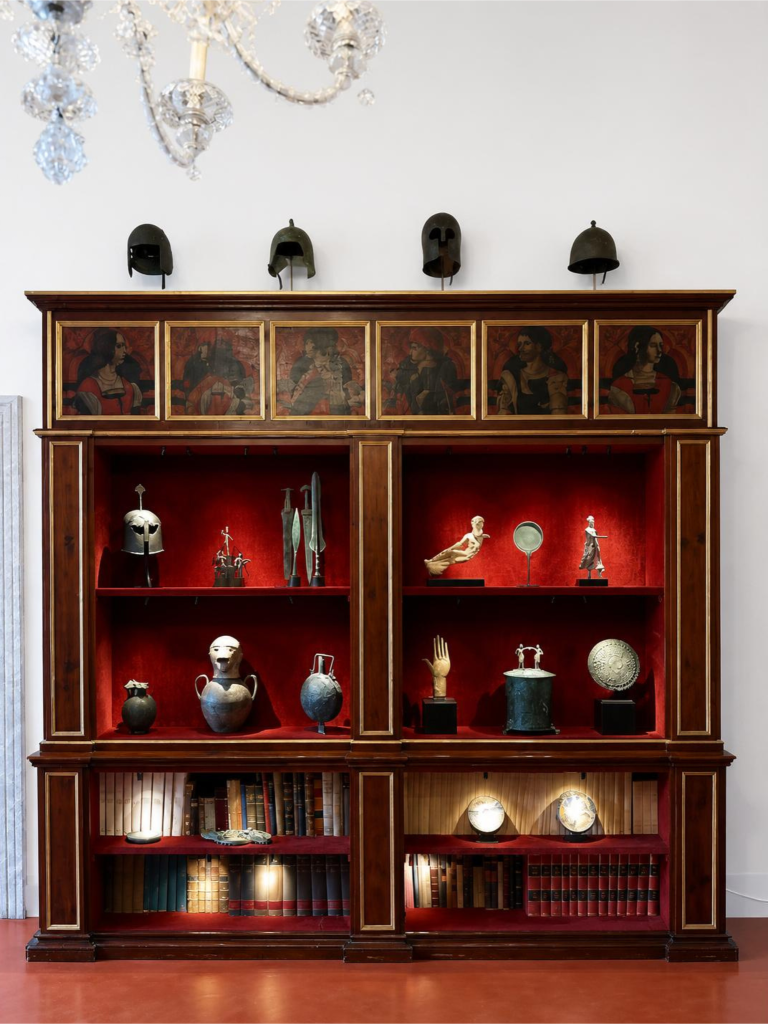
The Fondazione Giancarlo Ligabue opened the doors of its historic Grand Canal headquarters to the public, inaugurating the Palazzo delle Arti e delle Culture. Housed within Palazzo Rizzo, the new presentation marks a decade since the foundation’s establishment and offers a renewed platform for engaging with the intellectual and archaeological legacy of the Ligabue Study and Research Center, founded in 1973.
Spanning an ambitious timeline of 4.5 billion years, the exhibition brought together more than 400 objects and artworks drawn from paleontology, archaeology and contemporary art. Fossils, ancient artefacts, and tribal objects were placed in dialogue with contemporary artistic practices.
The opening also reflects the foundation’s broader commitment to interdisciplinary research and exhibition-making. Over the past decade, Fondazione Giancarlo Ligabue has developed an expansive programme of exhibitions and collaborations with leading national and international institutions, significantly contributing to conversations around cultural heritage, scientific inquiry, and contemporary artistic practice.
Fondamenta Narisi, 3319, 30124 Venezia VE, Italy
Nigel Cooke. Bad Habits & The Invisible Chord. Hans Hartung and Music at Fondazione Querini Stampalia
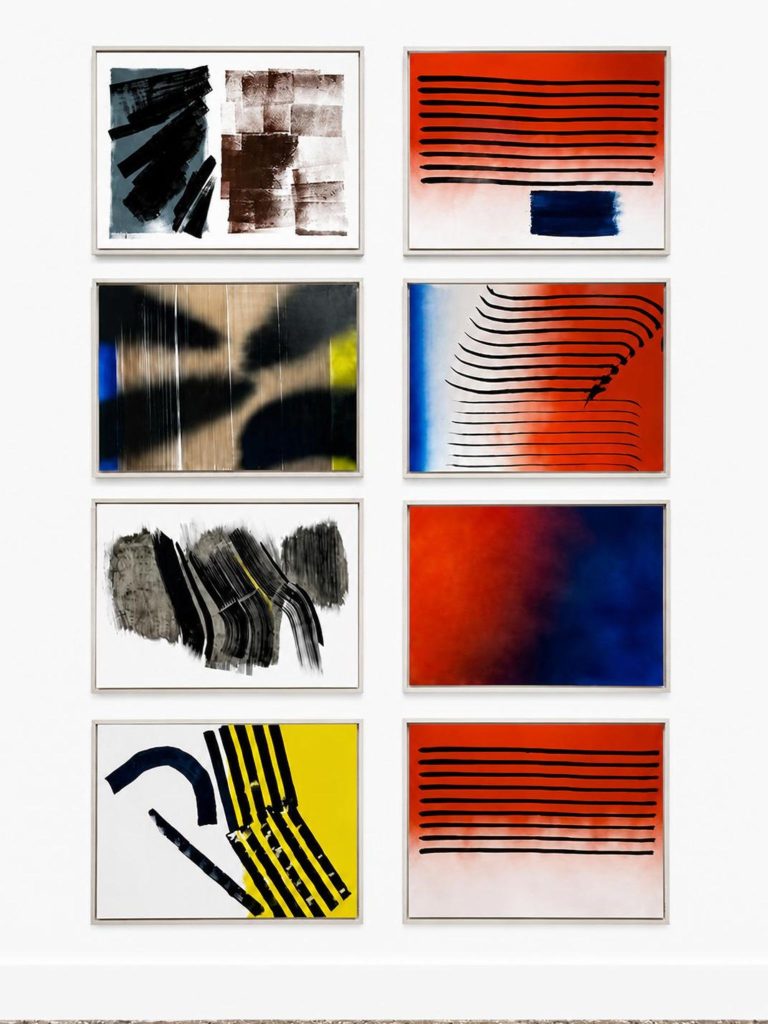
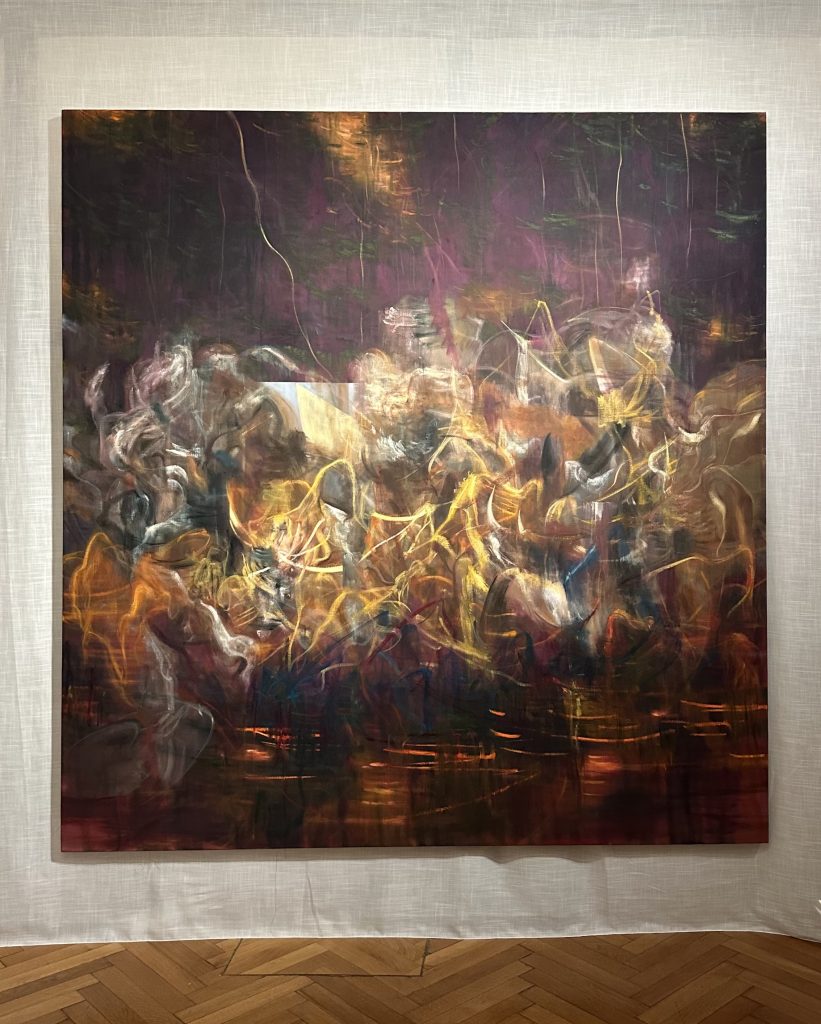
Two exhibitions at Fondazione Querini Stampalia offered distinct perspectives on artistic process in relation to the vibrant city of Venice.
Bad Habits, Nigel Cooke’s first solo exhibition in Italy, presents a new body of paintings developed during the institution’s inaugural artist residency programme. Installed in the Portego della Biblioteca and curated by Evelyn C. Hankins, the exhibition reflects Cooke’s immersion in Venice’s unique environment. The large-scale canvases draw upon the city’s shifting atmospheres, layered histories, and luminous waterways, translating the experience of the lagoon into compositions that oscillate between figuration and abstraction.
Running concurrently, The Invisible Chord. Hans Hartung and Music examines the profound influence of sound on the celebrated abstract painter’s artistic practice. Bringing together nearly eighty paintings, archival documents, and working materials from the 1920s to the final years of his life, the exhibition traces the relationship between music and gesture throughout Hartung’s career.
Venice provides a fitting setting for the exhibition, recalling Hartung’s receipt of the Guggenheim International Prize in 1956 and the Grand Prize for Painting at the Venice Biennale in 1960. Against this historical backdrop, the exhibition offers a nuanced exploration of the sensory impulses that informed his work throughout his career.
Campiello Santa Maria Formosa, 5252, 30122 Venezia VE, Italy | The Invisible Chord. Hans Hartung is on view until September 13. Nigel Cooke. Bad Habits runs until 22 November.
Alighiero Boetti at SMAC San Marco Arts Centre
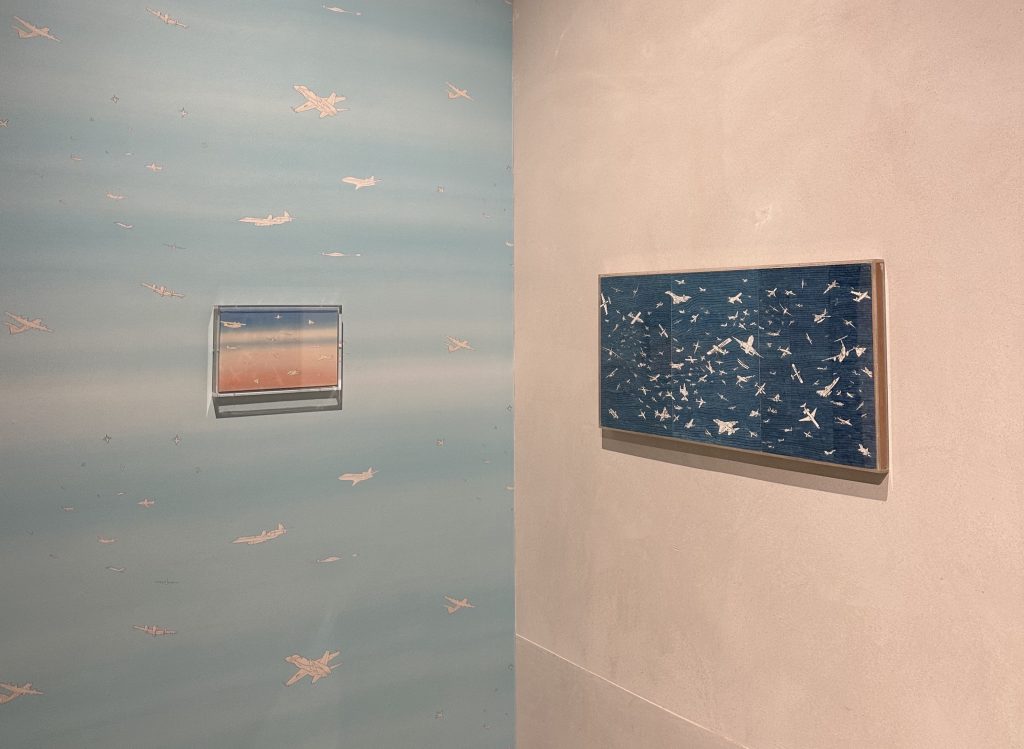
Curated by Elena Geuna and supported by Ben Brown Fine Arts, Alighiero Boetti offers a comprehensive survey of one of the defining figures of post-war Italian art. Bringing together approximately one hundred works across eight galleries, the exhibition traces the evolution of Boetti’s practice over more than two decades, from the late 1960s to the early 1990s. The exhibition traces the evolution of Boetti’s practice from early explorations of identity and duality to his later investigations into language, geography, time, and systems of knowledge. Highlights include the collaborative Mappe, Ricami, and Biro drawings, which challenge conventional notions of authorship, alongside later series such as Aerei and Calendari, where order and chance exist in productive tension.
P.za San Marco, 105, 30124 Venezia VE, Italy | On view until 22 November
Gabrielle Goliath. Elegy at Chiesa di Sant’Antonin
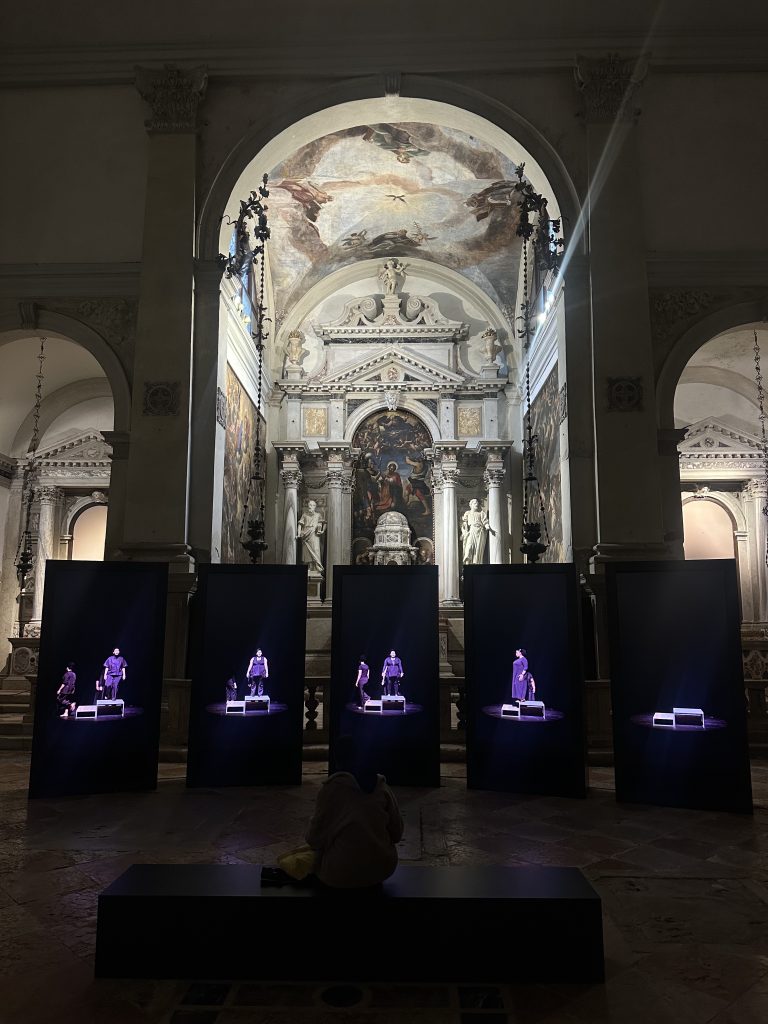
Presented independently of the South African Pavilion, Gabrielle Goliath’s Elegy emerged as one of the most poignant and politically charged projects during the opening week of the Venice Biennale. First initiated in 2015, the ongoing work takes the form of a collective mourning ritual in which singers sustain a single vocal tone over an extended duration, creating a space for reflecting and remembrance.
The Venice presentation expands the project through a series of new video and sound installations commemorating lives lost to gender-based violence, colonial oppression, and contemporary warfare. Among those memorialised are South African teenager Ipeleng Christine Moholane, Nama women killed during Germany’s colonisation of Namibia, and Palestinian poet Hiba Abu Nada, who died in an airstrike in Gaza in 2023. Installed off-site following the withdrawal of the work from South Africa’s official Biennale presentation, Elegy transforms mourning into an act of public witness and collective memory.
Salizada S. Antonin, 3477, 30122 Venezia VE, Italy | Until 31 July
Kambui Olujimi. North Star. Central Pavilion of the Giardini, Venice Biennale
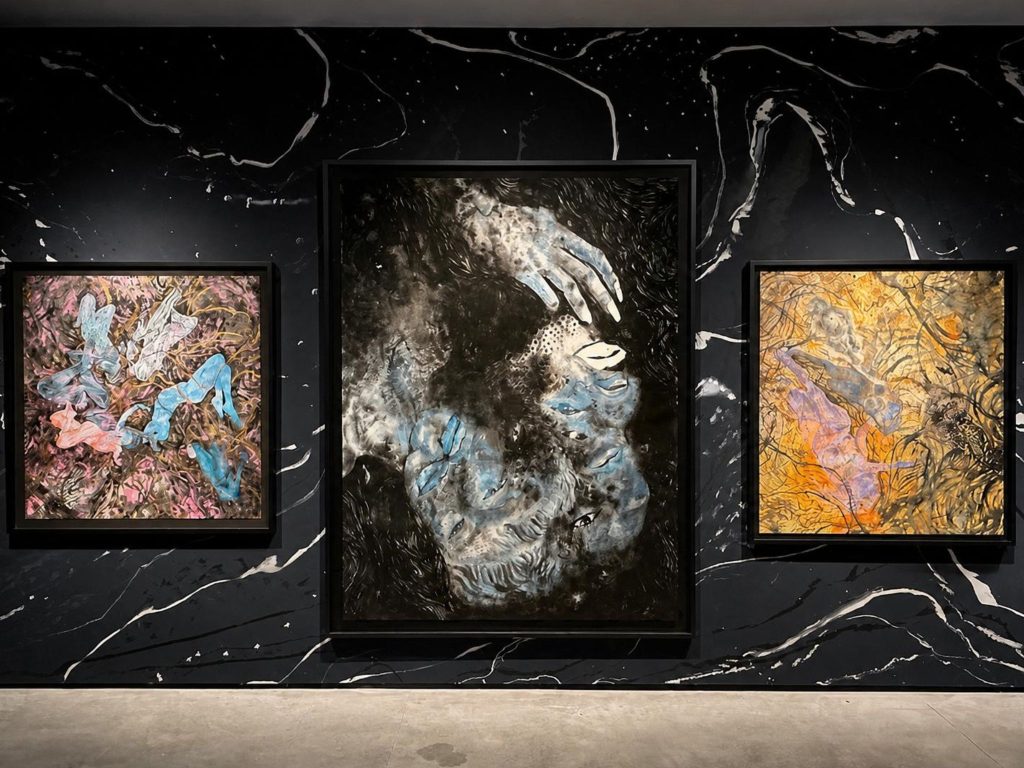
Kambui Olujimi’s North Star imagines Blackness and selfhood as expansive, boundless states of being. Drawing on the artist’s longstanding fascination with cosmic space and humanity’s origins in stardust, the project uses weightlessness as both a physical experience and a conceptual framework for liberation.
Central to the exhibition are ten large-scale paintings inspired by a 2022 zero-gravity flight chartered by Olujimi for seven creatives from the African diaspora. Experiencing the suspension of gravity firsthand, the participants became the basis for figures that drift, float, and unfold across the paintings with a sense of freedom untethered from earthly constraints. Accompanied by works on paper and an immersive astral mural, North Star positions gravity as a metaphor for systems of limitation and asks what forms of selfhood might emerge when those forces are suspended.
On view until 22 November.
Barry X Ball. The Shape of Time at the Basilica di San Giorgio Maggiore, Venice
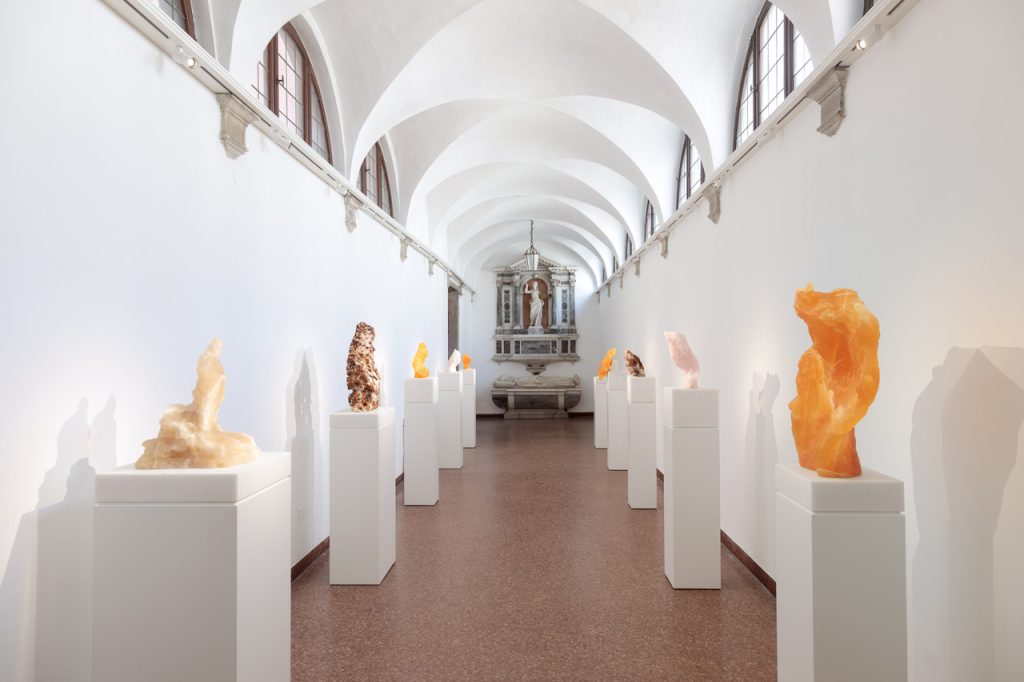
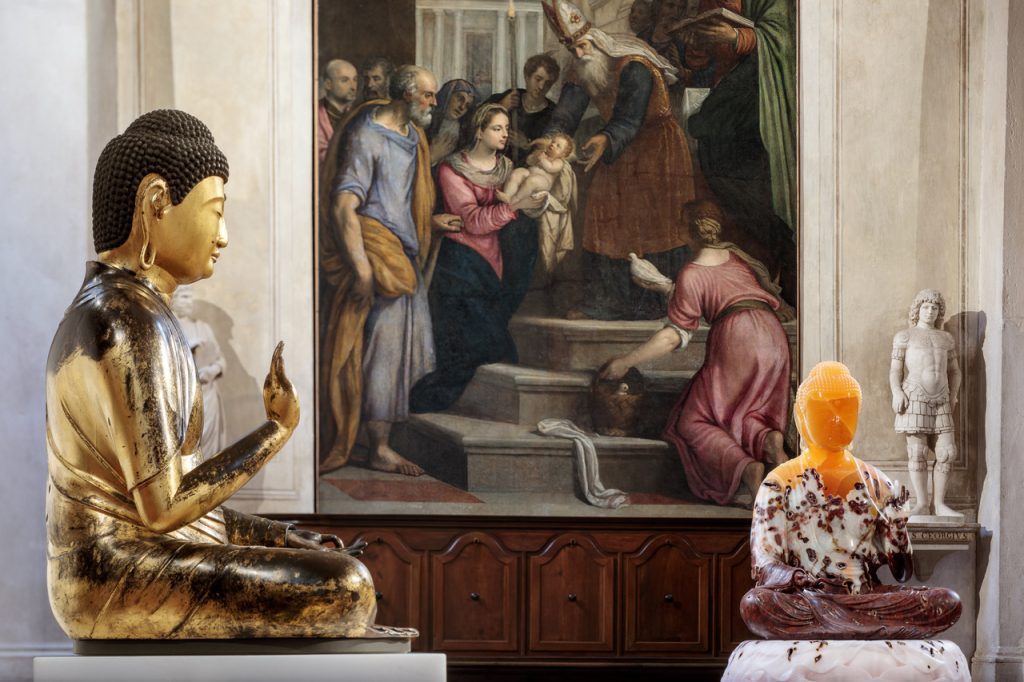
Installed throughout the Basilica di San Giorgio Maggiore, The Shape of Time presents a major survey of Barry X Ball’s sculptural practice. Curated by Bob Nickas, the exhibition brings together 23 works spanning five interconnected series, many of which are being shown publicly for the first time. Unfolding in dialogue with the basilica’s architecture, the exhibition explores the relationship between canonical works in art history and contemporary form.
Situated within Venice’s UNESCO-listed lagoon, the exhibition coincides with the unveiling of the restored Tintoretto masterpieces The Last Supper and The Israelites in the Desert, underscoring the site’s ongoing commitment to cultural preservation and renewal.
Ahead of the exhibition’s public opening, artist Barry X Ball joined Piero Tomassoni for a conversation reflecting on the development of the project, the technical and conceptual complexities of his practice, and the ways in which The Shape of Time engages with the unique historical and architectural context of San Giorgio Maggiore.
Read about the exhibition in our journal article.
Basilica di San Giorgio Maggiore, Isola di San Giorgio Maggiore 2, 30124 | On view until 22 November