LUIGI BOILLE
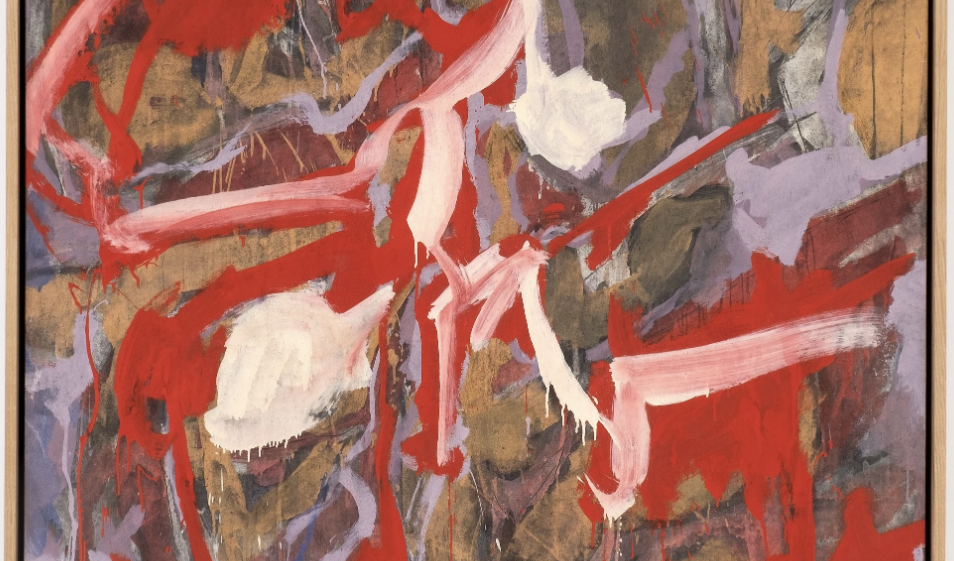
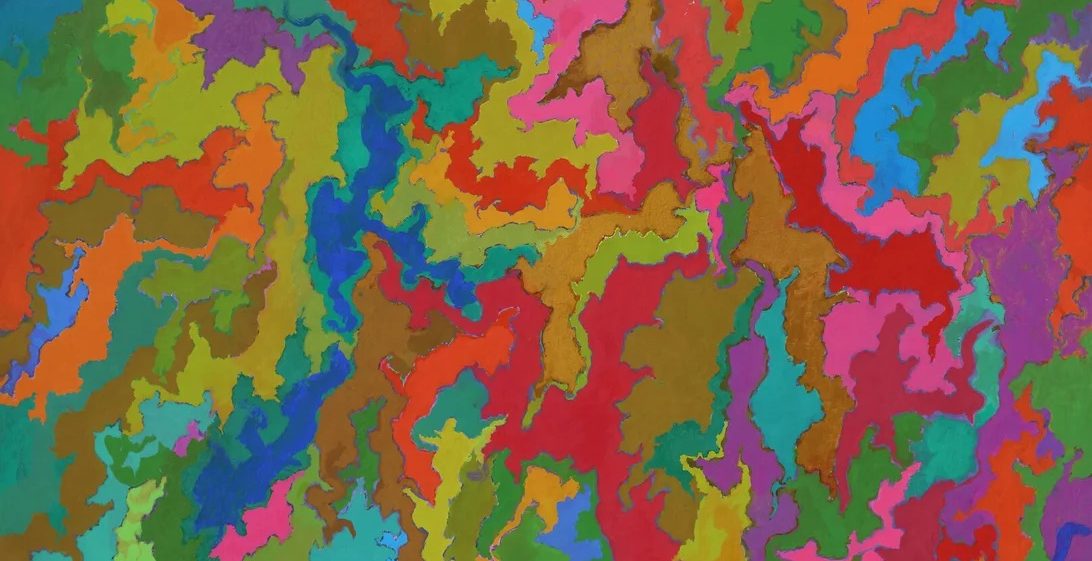
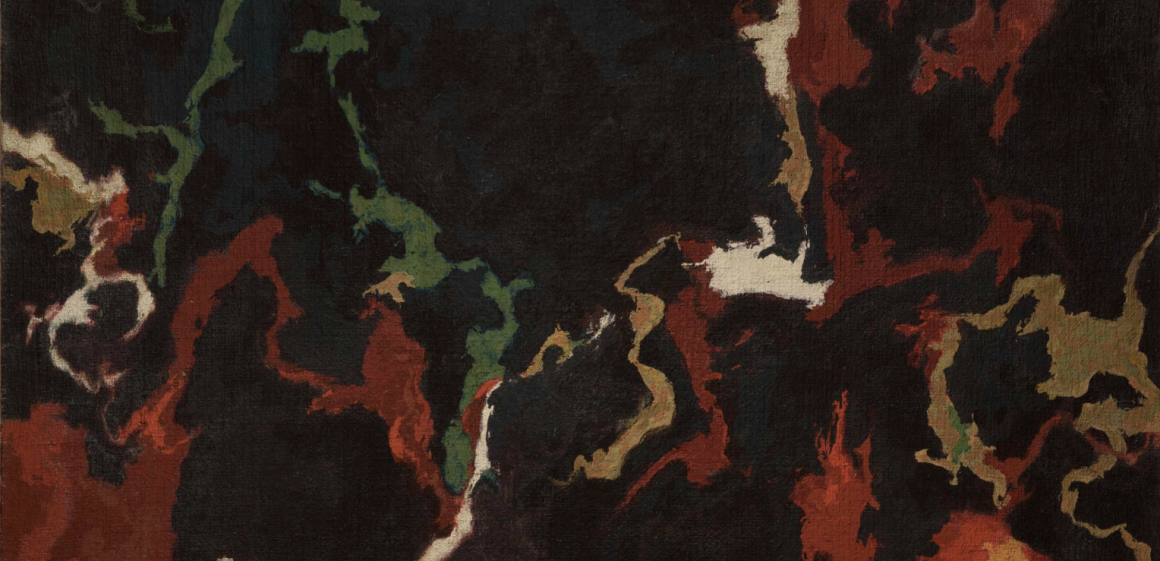
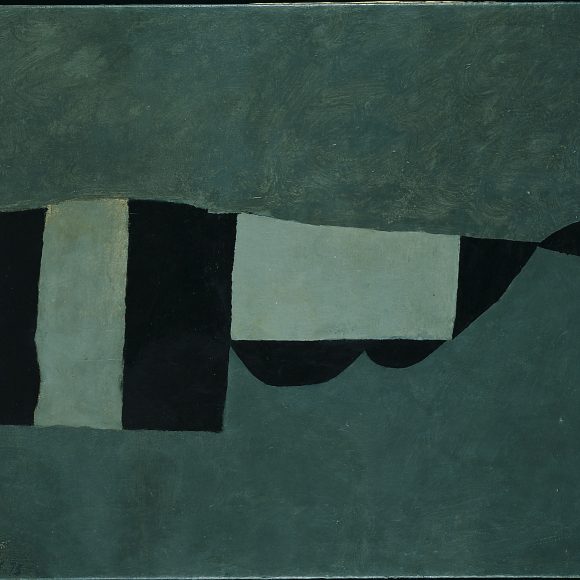
Luigi Boille (1926-2015, Italy) was a prominent Italian artist celebrated for his contributions to Post-war and Contemporary art through a deeply personal and lyrical form of abstraction. He studied at the Academy of Fine Arts in Rome, where he developed a solid foundation in classical techniques before moving toward a more experimental visual language.
In the 1950s, Boille moved to Paris and immersed himself in the vibrant post-war European art scene. He became closely associated with the Informal Art movement, significantly influenced by the theories of French critic Michel Tapié. His work embraced an improvisational methodology and a gestural, calligraphic approach to painting, an aesthetic that aimed to express pure emotion beyond form or narrative.
His work quickly gained international recognition. In 1964, Boille represented Italy at the Guggenheim International Award in New York, exhibiting alongside notable figures such as Giuseppe Capogrossi, Enrico Castellani, and Lucio Fontana. He received acclaim for participating in major exhibitions, including the Rome Quadriennale in 1965 and 2011. In 1966, he was featured in a solo show at the 33rd Venice Biennale. His work has experienced rediscovery since the retrospective at the Villa Torlonia in Rome in 2019.
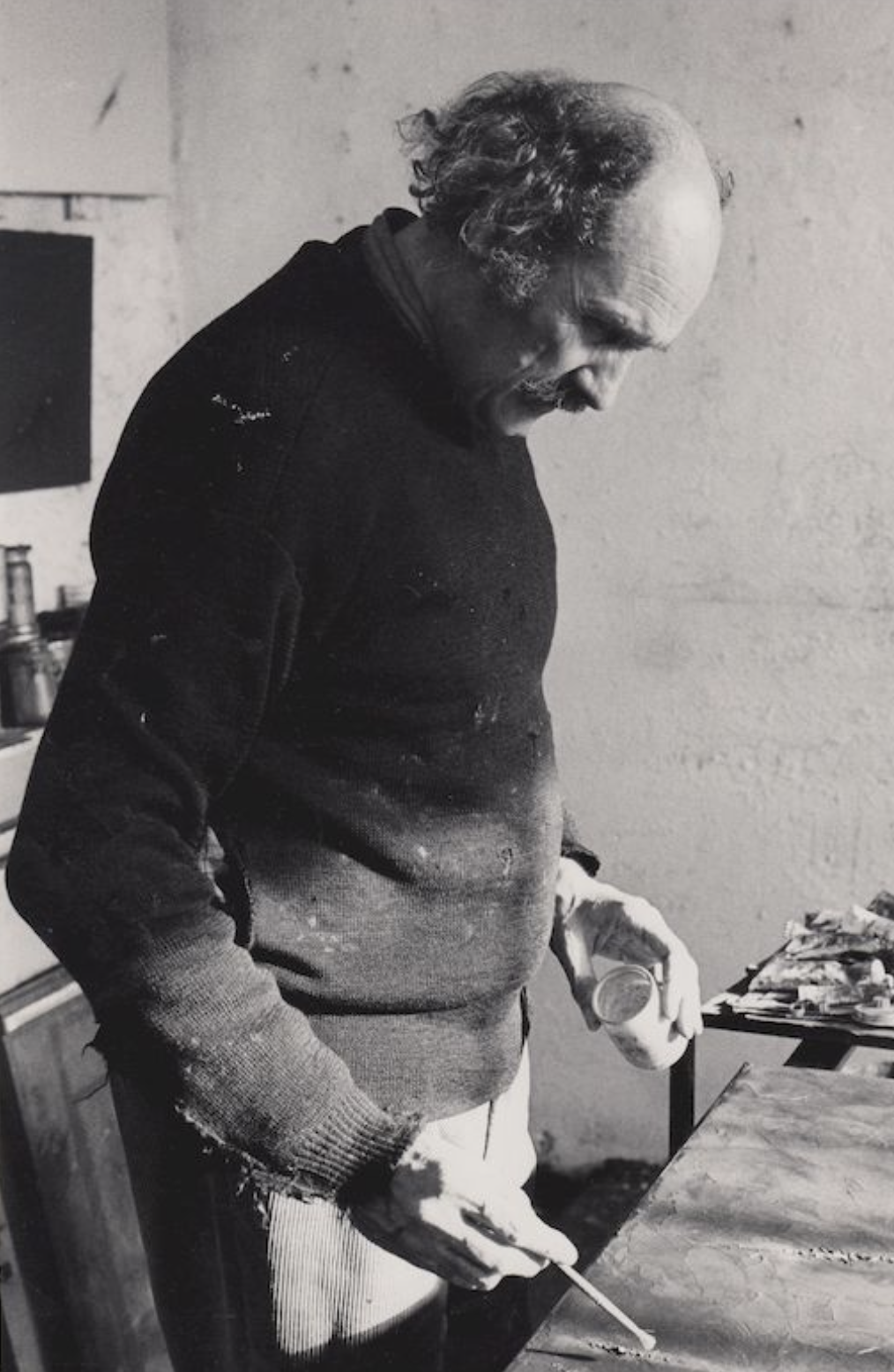
Luigi Boille
Selected Exhibitions
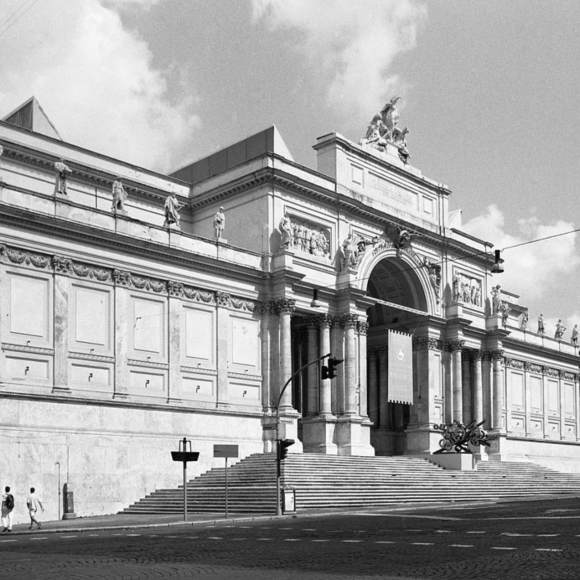
Venice Biennale, Italy; Solomon R. Guggenheim Museum, New York; Brooklyn Museum, New York; Stedelijk Museum, Amsterdam; Musée d’Art Moderne de la Ville de Paris, France; Palais de l’UNESCO, Paris; Palazzo delle Esposizioni, Rome; Palazzo Strozzi, Florence; Palazzo della Permanente, Milan; Musei di Villa Torlonia, Rome; GAM, Turin.
Selected Collections
The Hirshhorn Museum and Sculpture Garden, Washington, D.C.; Musée d’Art Moderne de la Ville de Paris, France; National Gallery of Modern and Contemporary Art, Rome; MACRO, Rome; the Museo Novecento, Florence; the Museo di Roma a Palazzo Braschi, Rome.
Journal
Interested in Luigi Boille’s work?